

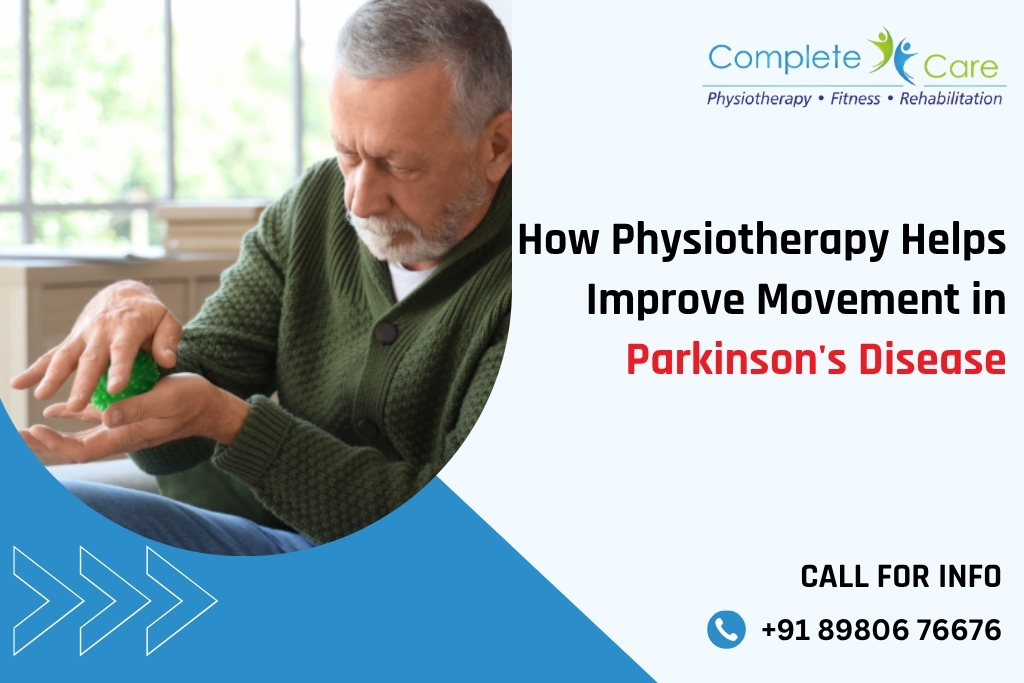
Parkinson’s disease is a progressive neurological condition that affects the way a person moves. While symptoms often begin gradually with a slight tremor or stiffness, they can eventually make everyday activities such as walking, getting out of a chair, turning in bed, or maintaining balance more challenging.
Although there is currently no cure for Parkinson’s disease, the right rehabilitation program can significantly improve mobility, independence, and quality of life. Along with medical management, physiotherapy has become one of the most effective non-surgical approaches to managing movement-related symptoms.
In this blog, we’ll explore how physiotherapy for Parkinson’s disease helps improve movement, why early rehabilitation is important, and how a personalized treatment plan can help patients stay active for longer.
Understanding How Parkinson’s Disease Affects Movement
Parkinson’s disease develops when certain nerve cells in the brain gradually lose their ability to produce dopamine, a chemical that helps control smooth and coordinated movement.
As dopamine levels decrease, people may experience difficulty performing movements that were once automatic.
Common Movement Symptoms
- Slow movements (bradykinesia)
- Muscle stiffness
- Tremors
- Difficulty walking
- Reduced arm swing
- Balance problems
- Shuffling gait
- Poor posture
These symptoms often progress gradually, making early rehabilitation an essential part of long-term management.
Why Physiotherapy Is Important in Parkinson’s Disease
Many people believe physiotherapy is only needed after surgery or injury. However, neurological conditions such as Parkinson’s disease benefit greatly from structured rehabilitation.
Professional physiotherapy for Parkinson’s disease focuses on improving movement efficiency, flexibility, strength, posture, and balance while helping patients remain independent in their daily lives.
Rather than treating only individual symptoms, physiotherapy aims to improve overall functional mobility.
Goals of Parkinson’s Disease Rehabilitation
Every patient’s condition is different, so rehabilitation programs are tailored to individual abilities and goals.
The main objectives of Parkinson’s disease rehabilitation include:
- Improving walking ability
- Increasing balance
- Maintaining flexibility
- Enhancing muscle strength
- Improving posture
- Reducing stiffness
- Supporting safe daily activities
- Preventing falls
Regular physiotherapy also encourages patients to stay physically active, which is important throughout every stage of Parkinson’s disease.
How Physiotherapy Improves Movement
Physiotherapy addresses several movement challenges associated with Parkinson’s disease.
1. Improving Walking Patterns
Walking often becomes slower and less coordinated as Parkinson’s disease progresses.
Physiotherapists use gait training techniques to improve:
- Step length
- Walking speed
- Foot clearance
- Turning movements
- Arm swing
These exercises help patients walk with greater confidence while reducing the risk of falls.
2. Increasing Flexibility
Muscle stiffness is one of the most common complaints among Parkinson’s patients.
Stretching exercises help improve flexibility in the:
- Neck
- Shoulders
- Spine
- Hips
- Legs
Improved flexibility makes daily movements more comfortable and efficient.
3. Building Muscle Strength
Weak muscles make movement even more difficult.
Strengthening exercises target major muscle groups responsible for posture, walking, and balance.
Benefits include:
- Better mobility
- Improved endurance
- Easier transfers
- Greater independence
Strength training is carefully adjusted according to each patient’s abilities.
4. Balance Training
Balance problems significantly increase the risk of falls.
Balance exercises gradually improve:
- Standing stability
- Weight shifting
- Coordination
- Reaction time
- Walking confidence
Improving balance is one of the primary goals of Parkinson’s physiotherapy treatment.
Parkinson’s Disease Exercises That Improve Daily Function
Exercise is an important part of long-term Parkinson’s management.
Appropriately selected Parkinson’s disease exercises help maintain mobility while improving confidence during daily activities.
Common Physiotherapy Exercises
(1) Stretching Exercises
Reduce stiffness and improve joint mobility.
(2) Strengthening Exercises
Improve muscle support for walking and posture.
(3) Walking Practice
Focuses on larger, smoother steps and better movement control.
(4) Balance Activities
Improve stability during standing and walking.
Functional Training
Includes real-life activities such as:
- Sitting and standing
- Turning safely
- Climbing stairs
- Reaching overhead
- Walking on different surfaces
Practicing everyday movements helps patients remain independent for longer.
Why Early Physiotherapy Makes a Difference
Waiting until symptoms become severe can make rehabilitation more challenging.
Early physiotherapy for Parkinson’s disease helps patients develop healthy movement strategies before mobility becomes significantly affected.
Benefits of early intervention include:
- Better movement efficiency
- Improved posture
- Reduced stiffness
- Increased confidence
- Slower decline in physical function
- Better quality of life
Even patients with mild symptoms can benefit from regular physiotherapy.
Preventing Falls Through Rehabilitation
Falls are one of the biggest concerns for individuals with Parkinson’s disease.
Physiotherapists assess each patient’s balance and teach strategies to reduce fall risk.
Fall Prevention Tips
- Wear supportive footwear
- Keep walking areas free of obstacles
- Practice prescribed exercises regularly
- Avoid sudden turns
- Use assistive devices when recommended
- Maintain good lighting at home
Combined with physiotherapy, these habits improve safety during everyday activities.
Lifestyle Habits That Support Rehabilitation
Physiotherapy works best when combined with healthy daily habits.
Helpful Recommendations
- Stay physically active
- Exercise consistently
- Eat a nutritious diet
- Stay hydrated
- Sleep adequately
- Practice good posture
- Manage stress
Small lifestyle improvements can support long-term mobility and overall well-being.
The Importance of Personalized Physiotherapy
No two people experience Parkinson’s disease in the same way.
Factors such as age, symptom severity, fitness level, and daily activity influence rehabilitation goals.
This is why professional Parkinson’s physiotherapy treatment is always customized to individual needs rather than following a standard exercise routine.
Regular reassessment also ensures exercises remain effective as the condition changes over time.
When Should You Seek Professional Treatment?
Early assessment allows physiotherapists to identify movement problems before they significantly affect daily life.
You should consider consulting a rehabilitation specialist if you experience:
- Tremors affecting movement
- Difficulty walking
- Frequent balance problems
- Muscle stiffness
- Reduced mobility
- Difficulty performing everyday activities
If you’re looking for expert Parkinson’s disease treatment in Ahmedabad, early physiotherapy can help improve movement, maintain independence, and support long-term quality of life.
Living Well with Parkinson’s Disease
Although Parkinson’s disease is a progressive condition, many people continue to lead active and fulfilling lives with the right support.
Regular exercise, professional physiotherapy, healthy lifestyle habits, and ongoing medical care work together to maintain mobility and improve confidence.
The key is staying consistent and beginning rehabilitation before movement difficulties become more limiting.
Conclusion
Movement challenges associated with Parkinson’s disease can affect nearly every aspect of daily life, but they don’t have to define it. With a personalized program of physiotherapy for Parkinson’s disease, patients can improve flexibility, balance, strength, posture, and walking ability while maintaining independence.
Through structured Parkinson’s disease rehabilitation, carefully planned Parkinson’s disease exercises, and professional Parkinson’s physiotherapy treatment, many individuals experience meaningful improvements in mobility and confidence.
If you’re searching for comprehensive Parkinson’s disease treatment in Ahmedabad, consulting an experienced rehabilitation team can help you take positive steps toward managing symptoms and improving your quality of life.