Physiotherapy Questions Answered

- complete\_care
- October 5, 2026
- Physiotherapy Questions
Clear, plain-language answers to the questions patients ask most, including pain, recovery, exercises and when it's time to see a therapist.
Medically reviewed by PT | Updated October 2026 | 12 min read
Medical Disclaimer
This article is for general information and patient education only. It is not a substitute for a personal assessment, diagnosis or treatment plan from a qualified physiotherapist or doctor. Always seek professional advice for your specific condition.
Quick Answer
Physiotherapy helps you move better and hurt less by combining guided exercise, hands-on (manual) therapy, and education about your body. It treats a wide range of problems, including back pain, sports injuries, recovery after surgery, stroke, pelvic-floor issues and more. For most common complaints you can self-refer (no doctor's note needed), and staying gently active usually beats resting in bed.
Introduction
If you've been told to “try physio,” you probably have questions. Will it hurt? How many sessions will I need? Can I just do exercises at home instead? These are the exact things people search for before, during and after treatment.
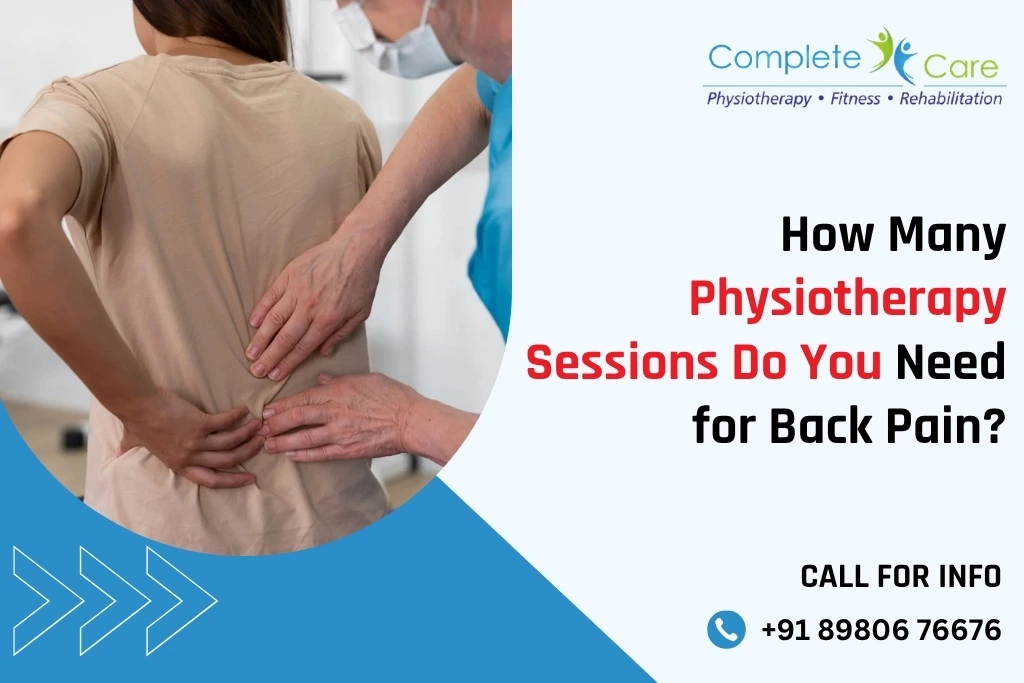
If you are specifically dealing with back or leg pain, you might also want to read our guides on Slipped Disc vs Sciatica and How Many Physiotherapy Sessions You Need for Back Pain.
We've gathered the most common physiotherapy questions and answered each one in plain language, backed by trusted sources such as the NHS, WHO, NICE and professional bodies like the APTA and Chartered Society of Physiotherapy. Whether you're recovering from an injury, preparing for surgery, or helping a parent or child, this guide will tell you what to expect and when to get help.
Key Takeaways
- Movement is medicine: for most aches, staying active (within comfort) heals faster than bed rest.
- You usually don't need a referral or a scan to start physiotherapy for everyday pain.
- Physio works for all ages: babies, athletes, new mothers, people after surgery, and older adults.
- Home exercises done consistently are a huge part of recovery, and even a few minutes daily matters.
- Some symptoms are red flags and need urgent care, not physio: see the emergency section below.
Signs You Might Need Physiotherapy
You don't have to wait for pain to become unbearable. Physiotherapy can help early, before a small problem becomes a lasting one. Common signs it's worth booking an assessment:
- Pain that lingers beyond a few days, or keeps coming back.
- Stiffness or reduced movement in a joint, such as trouble bending, reaching or turning.
- Recovering from an injury or surgery and unsure how to rebuild strength safely.
- Balance problems or falls, especially in older adults.
- Leaking urine, pelvic pain, or post-pregnancy recovery concerns.
If any symptom is severe or came on suddenly with numbness or weakness, skip straight to the emergency section.
What Physiotherapy Treats and Why It Works
Physiotherapy isn't one thing for one problem. It's a whole approach to restoring movement after pain, injury or illness. The reason it works so broadly is simple: the body heals best when it's loaded and moved in the right way, at the right time. Guided exercise rebuilds strength, hands-on therapy eases stiffness, and education helps you avoid re-injury.
- Around 80% of people with acute low back pain recover within six weeks with active care.
- After joint replacement, most patients are helped to stand and walk on day one.
- It helps all ages, from newborns with torticollis to seniors preventing falls.
Common areas physiotherapists treat include back and neck pain, sports injuries, rehabilitation after surgery, neurological conditions (stroke, Parkinson's, MS), pelvic-floor and postpartum issues, children's development, and age-related mobility and arthritis.
Your First Physiotherapy Visit: What to Expect
A first appointment is mostly talking and gentle testing, with no needles or scary machines. Your therapist will:
- Ask about your history, pain, and what you want to get back to doing (your goals).
- Watch how you move (walking, bending, lifting an arm or leg) and measure your range of motion and strength.
- Explain what they think is going on, in plain terms, and agree a treatment plan with you.
- Start you on a few safe exercises and give you a simple home programme.
What to bring: your ID, any referral or insurance details if needed, a list of current medicines, and any relevant scans or reports. Wear loose, comfortable clothing you can move in.
How Physiotherapy Works: The Main Approaches
Most treatment plans mix several of the methods below, adjusted to your condition and how you respond.
- Exercise therapy: Tailored strengthening, stretching and aerobic exercise, supervised then continued at home. (Best for: Back pain, chronic pain, post-op, falls prevention)
- Manual therapy: Hands-on joint mobilisation, soft-tissue massage and stretching. (Best for: Stiffness, sports injuries, neck & back pain)
- Education & pacing: Learning posture, lifting technique, ergonomics and how to pace activity. (Best for: Preventing recurrence, chronic conditions)
- Modalities: Heat, cold, TENS, taping and electrical stimulation to manage pain and swelling. (Best for: Acute injuries, pain relief, swelling)
- Telehealth (virtual) PT: Video sessions guiding your exercises and progress from home. (Best for: Follow-ups, musculoskeletal issues, limited travel)
Treatment is a partnership: your therapist guides and progresses the plan, but the home exercises you do between sessions are what truly drive recovery.
What the Research Says
The advice in this guide reflects current, evidence-based clinical guidance:
- For most low back pain, guidelines (including NICE) advise against routine X-rays or MRI scans, and recommend staying active with exercise and manual therapy rather than bed rest.
- Structured exercise and balance programmes are shown to significantly reduce falls in older adults, and pelvic-floor muscle training is a recognised first-line treatment for stress urinary incontinence.
- For many musculoskeletal conditions, studies and systematic reviews (e.g. Cochrane) find virtual physiotherapy can be as effective as in-person care for improving pain and function.
Primary sources include WHO, NICE guidelines, the APTA/JOSPT, the Chartered Society of Physiotherapy, Cochrane systematic reviews, and NHS patient information.
Is Physiotherapy Safe? What to Expect
Physiotherapy is very safe for the vast majority of people. The most common “side effect” is mild, temporary muscle soreness after new exercises or hands-on treatment, similar to how you feel after a first gym session. This usually settles within a day or two.
Occasionally, exercises may briefly increase your symptoms before they improve; a small, short-lived flare can be normal. What is not normal is sharp, worsening pain, new numbness or weakness; if this happens, stop and tell your therapist. A good physiotherapist adjusts the plan to your comfort and never pushes through dangerous pain.
Self-Care & Simple Home Exercises
These gentle exercises are widely recommended, but start slowly and stop if you feel sharp pain. Always follow your own therapist's programme where you have one.
For the lower back
- Knee-to-chest stretch: lie on your back, gently pull one knee toward your chest, hold 10 seconds, swap sides.
- Pelvic tilt: lie on your back, flatten your lower back into the floor by tightening your tummy, hold 5 seconds.
- Cat-Cow: on hands and knees, slowly arch and round your back to keep the spine mobile.
For knees & hips (after surgery or with arthritis)
- Quad sets: tighten your thigh muscle, pressing the knee down, hold 5 seconds.
- Heel slides & ankle pumps: keep joints moving and improve circulation (and help prevent clots after surgery).
For balance (fall prevention)
- Sit-to-stand: rise from a chair and sit back down slowly, using your arms only if needed.
- Heel-to-toe walking and single-leg stands: near a sturdy support.
For the pelvic floor
- Kegels: tighten the muscles you'd use to stop the flow of urine, hold 5 to 10 seconds, relax equally, repeat 10 times, three times a day.
Good general habits: keep good posture, use heat for stiffness and cold for swelling, and stay gently active with walking or swimming within your comfort.
Physiotherapy FAQs by Topic
Back pain
Q: What can I do for sudden (acute) low back pain?
A: Stay active and avoid long periods of bed rest. Gentle movement, such as walking and simple stretches, usually helps. Use heat or cold packs for short-term relief and keep good posture when sitting or lifting. If pain is severe or lasts more than a few days, see a physiotherapist or doctor.
Q: Do I need an X-ray or MRI for back pain?
A: Usually not. Guidelines advise against routine imaging for ordinary back pain unless there are red-flag signs (such as weakness, bladder/bowel changes or significant trauma). Scans are only ordered if symptoms worsen or don't improve as expected.
Q: Should I rest in bed or keep moving?
A: Keep moving. Research shows an early return to normal activity (while respecting pain) recovers faster than total rest. Light activity like walking and gentle stretches is best; your physiotherapist can show you safe movements.
Q: How long does back pain usually last?
A: Most acute back pain eases within a few days to weeks, and around 80% of people recover within six weeks. Keep up your rehab exercises even after the pain settles to prevent it returning. If there's no improvement after about a month, get reviewed.
Q: Can physiotherapy stop back pain coming back?
A: Yes. Physio focuses on education and exercise by strengthening weak areas, correcting posture and teaching safe lifting. Core stability work and good ergonomics build resilience against future episodes.
After surgery (post-op rehab)
Q: When should I start physio after surgery?
A: Usually very soon, often in hospital or within a day of surgery. Early movement is encouraged. After a joint replacement, for example, patients are typically helped to stand and walk on day one to prevent complications.
Q: How long is recovery after knee or hip replacement?
A: Most people notice better movement and less pain within weeks, but full recovery can take up to a year. Expect physiotherapy and home exercises for roughly 6 to 12 weeks to rebuild strength and range of motion. High-impact activities like running are generally avoided long-term.
Q: Can I use ice or heat after surgery?
A: Both help. Ice packs (15 to 20 minutes, several times a day) reduce swelling in the first days. Heat is better later, once acute swelling settles, to relax muscles and ease stiffness. Follow your therapist's advice.
Q: When can I stop using a walker or crutches?
A: Once you can bear weight comfortably and walk without a significant limp or pain, often progressing over about 4 to 6 weeks. Your physiotherapist will check your strength and gait; don't rush if balance or pain is still a problem.
Sports injuries
Q: I sprained my ankle or pulled a muscle: what first?
A: Use RICE: Rest, Ice (15 to 20 minutes several times a day), Compress with a bandage, and Elevate the limb. Gentle, pain-free movement prevents stiffness. See a physiotherapist if swelling or pain is severe.
Q: Ice or heat for a sports injury?
A: In the first 1 to 3 days, ice reduces swelling and numbs pain. Once swelling settles, switch to heat to relax muscles and improve blood flow.
Q: When can I return to sport?
A: Return once you have full, pain-free movement, strength close to the uninjured side, and can do sport-specific moves safely. A physiotherapist can build a graded “return-to-sport” plan to lower re-injury risk.
Children (pediatric physio)
Q: What is children's physiotherapy?
A: It's PT adapted for infants and children, addressing developmental delays (such as late crawling or walking), musculoskeletal issues, and neurological conditions like cerebral palsy. Sessions use play, games and toys to build strength, balance and coordination.
Q: When should a child see a physiotherapist?
A: Consider it if a child shows significant delays (e.g. not sitting by 9 months or walking by 18 months), has a neuromuscular diagnosis, or an injury. Early physio improves outcomes in conditions like torticollis (neck tilt) and hip dysplasia. When in doubt, ask your pediatrician.
Older adults (geriatric physio)
Q: Is physiotherapy safe for older adults?
A: Yes, people of all ages benefit. For older adults, physio focuses on maintaining mobility, strength and balance, easing arthritis pain, and managing issues like osteoporosis and fall risk, with exercises matched to fitness level.
Q: How can physio prevent falls?
A: Programmes combining strength, balance and flexibility reduce falls. Sit-to-stands, heel-to-toe walking and hip/ankle strengthening improve stability. Simple home changes (handrails, clearing trip hazards) help too. Balance training such as Tai Chi is well supported by evidence.
Q: Can physio help arthritis or osteoporosis?
A: Yes. For arthritis, strengthening the muscles around a joint and keeping range of motion improves function. For osteoporosis, weight-bearing walking and balance training (under guidance) support bone health and lower fracture risk.
Neurological conditions
Q: When does stroke rehabilitation start?
A: As early as possible, often in hospital. Physiotherapy focuses on regaining the ability to sit, stand and walk, retraining muscle control and practising daily tasks, and strengthening weakened limbs so you can move safely.
Q: How does physio help Parkinson's or MS?
A: For Parkinson's, physio improves gait, balance and flexibility and reduces stiffness and fall risk. For MS, it targets weakness and coordination and uses gentle aerobic exercise to manage fatigue. The aim is to maximise independence.
Q: Will I see improvements with neuro rehab?
A: Many people do. Even long-standing conditions can gain function with regular therapy, though progress varies by person. Physio helps maintain abilities and adapt to change, even when full recovery isn't possible.
Pelvic health
Q: What is pelvic-floor physiotherapy?
A: It treats urinary incontinence, pelvic pain and postpartum recovery using targeted exercises (Kegels), hands-on techniques and education. It's effective for stress incontinence and prolapse in women, and men can benefit too, for example, after prostate surgery.
Q: Can physio help with leaking urine?
A: Yes. Guided pelvic-floor strengthening is a first-line treatment for mild-to-moderate incontinence and is well supported by research. Bladder-training techniques can help too, often avoiding the need for medication or surgery.
Q: What about postpartum pain or tummy separation?
A: Physio can address back and pelvic pain, diastasis recti (abdominal separation) and perineal healing. Gentle core and posture work helps, while avoiding heavy lifting and sit-ups early on. If problems persist beyond the first few weeks, ask for a women's-health physio referral.
Chronic pain
Q: Can physio help long-term pain (e.g. fibromyalgia)?
A: Yes. Physiotherapists use a mix of graded exercise, education and pacing to reduce pain and improve function in chronic back pain, fibromyalgia and widespread pain. The focus is on gradually increasing activity rather than pushing to exhaustion.
Q: What is “self-management” of pain?
A: It means controlling symptoms yourself through regular exercise, stress reduction, and pacing by doing a bit at a time rather than 'all or nothing.' Understanding how pain works, staying active within limits and a positive mindset are key.
Telehealth (virtual physio)
Q: What is virtual physiotherapy?
A: It's physiotherapy delivered by video or phone. Your therapist can assess your movement, guide exercises and give advice from your home. Hands-on treatment isn't possible remotely, but much of physio is movement and coaching.
Q: Does virtual physio actually work?
A: For many conditions, especially musculoskeletal ones, studies show it can be as effective as in-person care for pain and function. It's great for follow-ups or when travel is hard. Complex neurological or severe cases may still need in-person sessions.
Q: What do I need for a telehealth session?
A: A device with a camera and internet, loose clothing, and clear floor space to move. Set the camera at eye level, charge your device, and have any bands or equipment ready. Your therapist will demonstrate on screen.
Referrals, cost & appointments
Q: Do I need a doctor's referral for physiotherapy?
A: Often, no. Many places allow direct access, so you can self-refer. However, some insurance plans require a doctor's referral for reimbursement, so always check your plan's rules.
Q: How much does physiotherapy cost?
A: It varies by provider and location, and many insurers cover part or all of medically necessary PT. Ask the clinic what fees apply and check your insurance for any co-payment before you start.
Q: What should I bring to my first visit?
A: Your ID, insurance card and referral (if required), a list of current medicines, and any relevant scans or reports. Wear comfortable clothing and bring any questions you have.
The Bottom Line
Physiotherapy is one of the most effective, lowest-risk ways to recover movement and reduce pain, whatever your age or the cause. The two ideas that matter most: keep moving within your comfort, and do your home exercises consistently. If a problem is lasting, getting worse, or holding you back from daily life, a short course of physio can make a lasting difference. And if you ever notice the red-flag symptoms below, seek urgent care first.
Emergency Notice: When to seek urgent care, not physio
Get emergency medical help right away if you have any of these:
- Loss of bladder or bowel control, or numbness around the groin or inner thighs (possible cauda equina).
- Sudden severe weakness or numbness in the arms or legs, especially both sides.
- Chest pain or shortness of breath, or new calf pain and swelling (possible blood clot).
- Signs of infection after surgery, such as high fever, spreading redness, or discharge from a wound.
If in doubt, seek medical evaluation. Physiotherapy complements care but does not replace emergency treatment.
Ready to start? Book a physiotherapy assessment with Complete Care. We'll listen to your goals, examine how you move, and build a plan to get you back to doing what you love.
This article is published for patient education and does not replace an in-person clinical assessment. For personalized diagnosis and treatment planning, contact our physiotherapists on +91 8980 676 676 or visit any of our six centres across Gujarat.