Bone Strength Physiotherapy for Osteoporosis
- complete\_care
- July 1, 2026
- Physiotherapy
Osteoporosis is often called the “silent disease” because it develops gradually without obvious symptoms until a fracture occurs. Many people don’t realize their bones are becoming weaker until a simple fall or even a minor movement results in a broken bone. While medications play an important role in managing osteoporosis, physiotherapy is equally valuable in helping people improve strength, mobility, and confidence in their daily lives.
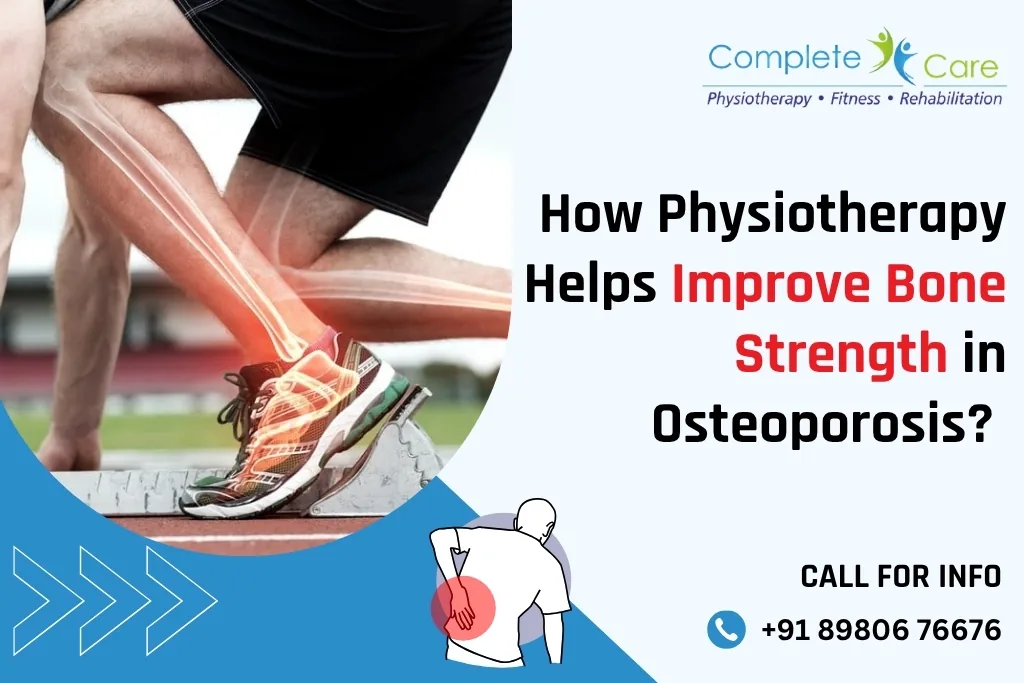
Contrary to popular belief, physiotherapy doesn’t directly increase bone density overnight. Instead, it helps stimulate healthy bone function through safe movement, strengthens the muscles that support the skeleton, improves balance, and reduces the risk of falls-the leading cause of fractures in people with osteoporosis.
If you’re looking for effective non surgical osteoporosis treatment, understanding the role of physiotherapy can help you make informed decisions about your long term bone health.
Understanding Osteoporosis
Bones are living tissues that constantly rebuild themselves. As we age, this rebuilding process slows down. In osteoporosis, bones lose density faster than the body can replace it, making them fragile and more likely to fracture.
The condition most commonly affects:
- Women after menopause
- Adults over 50 years
- People with a family history of osteoporosis
- Individuals with low physical activity
- People with nutritional deficiencies
Although osteoporosis cannot always be completely reversed, early treatment and lifestyle modifications can significantly slow its progression.
Why Physiotherapy Is Important in Osteoporosis Management
Many people assume physiotherapy is only useful after an injury. In reality, it plays an important role in preventing complications before fractures happen.
Professional physiotherapy for osteoporosis focuses on improving how the body moves, maintains balance, and supports the skeletal system during everyday activities.
Instead of treating only the bones, physiotherapy improves the overall function of muscles, joints, posture, and coordination.
This comprehensive approach makes daily activities safer and helps patients remain independent for longer.
How Physiotherapy Supports Bone Health
Physiotherapy works by encouraging the body to move safely and efficiently.
1\. Improves Muscle Strength
Strong muscles reduce the amount of stress placed directly on fragile bones.
A physiotherapist designs exercises that strengthen important muscle groups, including:
- Back muscles
- Hip muscles
- Core muscles
- Leg muscles
- Shoulder muscles
Better muscle strength provides improved support for weakened bones.
2\. Encourages Safe weight bearing Activities
Bones respond positively to controlled physical activity.
One of the goals of physiotherapy for osteoporosis is introducing appropriate weight bearing exercises that encourage bone stimulation while minimizing injury risk.
Examples include:
- Walking
- Controlled stair climbing
- Standing strengthening exercises
- Resistance band exercises
- Functional movement training
Every exercise program is adjusted according to the patient’s age, mobility, and bone health.
3\. Improves Balance and Coordination
Falls remain one of the biggest risks for people with osteoporosis.
Even a minor fall can result in fractures involving the hip, wrist, or spine.
Physiotherapy includes balance training to improve:
- Walking stability
- Body awareness
- Reaction time
- Confidence during movement
Reducing fall risk is one of the most valuable aspects of non surgical osteoporosis treatment.
Bone Strengthening Exercises for Osteoporosis
Exercise is one of the most effective long term strategies for maintaining healthy bones.
However, not every exercise is suitable for osteoporosis patients.
Safe bone strengthening exercises for osteoporosis are carefully selected to improve strength without placing excessive pressure on fragile bones.
Common Physiotherapy Exercises
(1) weight bearing Walking
Regular walking encourages healthy bone loading while improving cardiovascular fitness.
(2) Sit-to-Stand Exercises
These strengthen the thighs, hips, and core, making daily movements easier.
(3) Resistance Band Training
Light resistance improves muscle strength while remaining gentle on joints.
(4) Heel Raises
Help strengthen the lower legs and improve balance.
(5) Postural Strengthening
Exercises targeting the upper back reduce rounded shoulders and improve spinal alignment.
A physiotherapist gradually progresses these exercises as strength and confidence improve.
Why Posture Matters in Osteoporosis
Poor posture can place additional stress on weakened spinal bones.
Many people with osteoporosis gradually develop:
- Rounded shoulders
- Forward head posture
- Reduced height
- Upper back curvature
Physiotherapy addresses these issues through posture correction exercises and movement training.
Improving posture helps reduce discomfort and supports better spinal alignment.
Benefits Beyond Bone Health
Physiotherapy offers much more than exercise alone.
Patients often notice improvements in several aspects of daily life.
Benefits Include:
- Better flexibility
- Improved mobility
- Reduced stiffness
- Increased confidence
- Greater independence
- Lower risk of fractures
- Easier daily activities
These improvements contribute to a higher quality of life and encourage long term physical activity.
Lifestyle Habits That Support Strong Bones
Physiotherapy works best when combined with healthy lifestyle choices.
Helpful Daily Habits
- Stay physically active
- Eat calcium-rich foods
- Maintain adequate vitamin D levels
- Avoid smoking
- Limit excessive alcohol intake
- Maintain a healthy body weight
- Follow your prescribed exercise program consistently
Consistency is far more important than exercising intensely.
When Should You Consult an Osteoporosis Specialist?
Many people wait until they experience a fracture before seeking medical care.
Early assessment allows treatment to begin before serious complications develop.
You should consider consulting an osteoporosis treatment specialist if you experience:
- Frequent fractures
- Persistent back pain
- Loss of height
- Stooped posture
- Family history of osteoporosis
- Bone density concerns after menopause
Professional evaluation helps identify your individual risk and determine the most appropriate treatment plan.
For comprehensive osteoporosis treatment in Ahmedabad, Complete Care offers personalized assessments and rehabilitation programs that combine physiotherapy with evidence based management strategies.
Physiotherapy as Part of non surgical Osteoporosis Treatment
Many patients worry that osteoporosis always leads to surgery.
Fortunately, surgery is not required in most cases.
A comprehensive non surgical osteoporosis treatment plan may include:
- Physiotherapy
- weight bearing exercise programs
- Posture correction
- Fall prevention strategies
- Nutritional guidance
- Lifestyle modification
- Medical management when required
Physiotherapy becomes the foundation that helps patients remain active while protecting fragile bones.
Can Osteoporosis Be Managed Successfully?
Yes. Although osteoporosis requires long term management, many people continue to live active and independent lives.
The key is early diagnosis, consistent exercise, and professional guidance.
With a structured physiotherapy program, healthy lifestyle choices, and regular medical follow-up, it is possible to reduce fracture risk and improve overall movement confidence.
Conclusion
Living with osteoporosis doesn’t mean giving up an active lifestyle. In fact, staying active safely is one of the most effective ways to support long term bone health.
Professional physiotherapy for osteoporosis focuses on improving strength, posture, mobility, and balance while reducing the risk of falls and fractures. Combined with carefully planned bone strengthening exercises for osteoporosis, physiotherapy helps patients move with greater confidence and maintain independence.
If you’re looking for an experienced osteoporosis treatment specialist or exploring osteoporosis treatment in Ahmedabad, seeking early guidance can make a meaningful difference. With the right rehabilitation plan and commitment to healthy habits, non surgical osteoporosis treatment can play a significant role in protecting your bones and improving your quality of life for years to come.
This article is published for patient education and does not replace an in-person clinical assessment. For personalized diagnosis and treatment planning, contact our physiotherapists on +91 8980 676 676 or visit any of our six centres across Gujarat.