Physiotherapy to Improve Balance after Stroke
- complete\_care
- July 14, 2026
- Physiotherapy
The recovery process from a stroke can be a long and testing one, and it takes patience, determination and the right rehabilitation plan. Many stroke survivors tend to concentrate on regaining strength in their arms or legs, but one of the most difficult things is regaining balance. Walking, climbing stairs, getting out of bed and everyday activities can be challenging if you have difficulty maintaining balance.
This is where physiotherapy comes in. A structured rehabilitation program aims to strengthen stability, coordination, muscle control and confidence, leading to more independence gradually following a stroke. Even if your balance is not so bad, or if it is very bad, beginning the physiotherapy after a stroke at the proper time can help make a difference in your recovery.
This article will look at the reasons for balance problems after stroke, the potential role of physiotherapy and the techniques that can be used to aid long term improvements.
Why Does a Stroke Affect Balance?
During a stroke, the blood flow to a certain area of the brain is blocked and the brain cannot function in that area, thereby impairing the function of other parts of the body. A stroke may affect movement, muscle strength, sensation, coordination and posture, depending on the location of the stroke.
Balance depends on several body systems working together, including:
- The brain
- Muscles
- Joints
- Vision
- Inner ear
- Nervous system
When communication between these systems is disrupted, a person may experience:
- Difficulty standing steadily
- Leaning to one side
- Poor coordination
- Unsteady walking
- Increased risk of falls
Every stroke is different, which is why rehabilitation should always be personalized.
Why Early Physiotherapy Matters
Starting rehabilitation as early as possible after most treating medical staffers deem it safe is one of the most significant things that can be done during the recovery.
Early stroke physiotherapy helps minimise complications from being immobile and promotes the re-learning of movement patterns.
Benefits of Early Rehabilitation
- Improves muscle activation
- Reduces stiffness
- Maintains joint flexibility
- Encourages safe mobility
- Builds confidence
- Supports faster functional recovery
Starting rehabilitation early also helps prevent unhealthy movement habits that may become difficult to correct later.
How Physiotherapy Improves Balance After a Stroke
Balance recovery requires much more than the ability to stand without support.
The physiotherapists evaluate patients’ posture, strength, ability to walk, coordination, movement control etc. before developing a treatment plan for each patient.
Goals of Stroke Physiotherapy
- Improve standing balance
- Restore walking ability
- Increase muscle strength
- Enhance coordination
- Improve posture
- Reduce fall risk
- Promote independence
This personalized approach makes stroke physiotherapy treatment an essential part of long term recovery.
Balance Training After Stroke
One of the most effective rehabilitation methods is balance training after a stroke.
Balance exercises gradually challenge the body’s stability while improving confidence during movement.
Common Balance Activities
(1) Weight Shifting Exercises
Patients learn to transfer body weight safely from one side to another.
Benefits include:
- Better standing stability
- Improved body awareness
- Increased confidence
(2) Sitting Balance Training
For patients with significant weakness, rehabilitation often begins in a seated position.
Exercises focus on:
- Trunk control
- Core stability
- Controlled reaching
- Postural correction
Good sitting balance creates the foundation for standing and walking.
(3) Standing Exercises
As recovery progresses, patients begin practicing standing activities such as:
- Supported standing
- Single-leg weight bearing (when appropriate)
- Controlled stepping
- Functional reaching
These activities improve confidence while reducing the fear of falling.
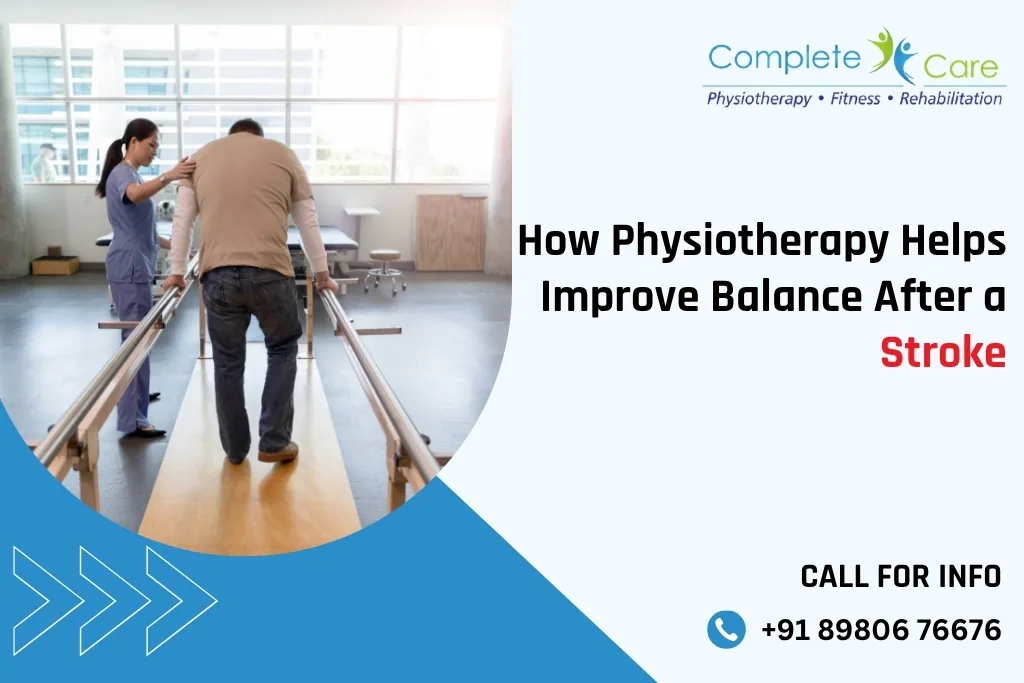
(4) Walking Practice
Walking retraining is often one of the biggest goals following a stroke.
Physiotherapists focus on improving:
- Walking pattern
- Foot placement
- Step length
- Weight transfer
- Walking speed
The program is adjusted according to each patient’s abilities and progress.
Stroke Rehabilitation Exercises That Improve Recovery
Every rehabilitation program includes carefully selected stroke rehabilitation exercises based on individual needs.
Some commonly used exercises include:
Strengthening Exercises
Improving muscle strength helps support balance and functional movement.
Target areas include:
- Core muscles
- Hip muscles
- Leg muscles
- Shoulder muscles
Coordination Exercises
These improve communication between the brain and muscles.
Examples include:
- Reaching activities
- Stepping drills
- Controlled directional movements
Functional Exercises
These mimic everyday tasks such as:
- Sitting down
- Standing up
- Turning safely
- Climbing small steps
- Walking short distances
Practicing functional movements improves independence during daily activities.
Preventing Falls During Stroke Recovery
Falls remain one of the biggest concerns after a stroke.
Physiotherapy helps reduce this risk by improving stability and teaching safe movement strategies.
Fall Prevention Tips:
- Wear supportive footwear
- Remove household obstacles
- Use mobility aids if recommended
- Practice exercises consistently
- Avoid rushing during movement
- Maintain good lighting at home
Combining these habits with professional rehabilitation significantly improves safety.
How Long Does Balance Recovery Take?
Recovery varies from person to person.
Several factors influence progress, including:
- Severity of the stroke
- Area of the brain affected
- Overall health
- Age
- Consistency of rehabilitation
- Family support
For some people, symptoms get better within weeks and others over a few months.
The key is to concentrate on ongoing progress instead of making comparisons with others’ recovery.
Daily Habits That Support Rehabilitation
Recovery continues outside the physiotherapy clinic.
Patients can support their progress by following healthy daily habits.
Helpful Lifestyle Tips:
- Stay physically active within safe limits
- Complete prescribed home exercises
- Eat a balanced diet
- Stay hydrated
- Sleep adequately
- Practice proper posture
- Celebrate small milestones
Consistency often has a greater impact than intensity.
When Should You Seek Professional Stroke Rehabilitation?
Every stroke survivor benefits from a professional assessment.
You should consider specialized stroke physiotherapy treatment if you experience:
- Poor balance
- Difficulty walking
- Frequent falls
- Muscle weakness
- Reduced coordination
- Difficulty performing daily activities
Early intervention improves the chances of achieving greater independence.
If you’re searching for comprehensive stroke treatment in Ahmedabad, Complete Care offers personalized rehabilitation programs focused on restoring balance, mobility, and confidence.
Staying Motivated Throughout Recovery
Stroke rehabilitation requires patience and commitment.
Progress may feel slow at times, but every improvement, whether standing for longer, walking a few extra steps, or climbing stairs more confidently, is an important milestone.
Working closely with a physiotherapist provides guidance, motivation, and regular progress assessments that help patients stay focused on long term recovery.
Conclusion
Regaining balance after a stroke is one of the most important steps toward returning to an active and independent life. Through structured physiotherapy after stroke, personalized stroke rehabilitation exercises, and progressive balance training after stroke, patients can steadily improve stability, coordination, and mobility.
A well-planned stroke physiotherapy treatment program not only reduces the risk of falls but also enhances confidence in performing everyday activities. If you or a loved one is looking for professional stroke treatment in Ahmedabad, early rehabilitation and expert physiotherapy can play a significant role in achieving the best possible recovery.
This article is published for patient education and does not replace an in-person clinical assessment. For personalized diagnosis and treatment planning, contact our physiotherapists on +91 8980 676 676 or visit any of our six centres across Gujarat.